

The Core Services Every Driver Should Recognize
Car maintenance doesn't require mechanical expertise — but it does require knowing what gets serviced, roughly when, and what happens when it's ignored. This reference covers the services that matter most for the average driver.
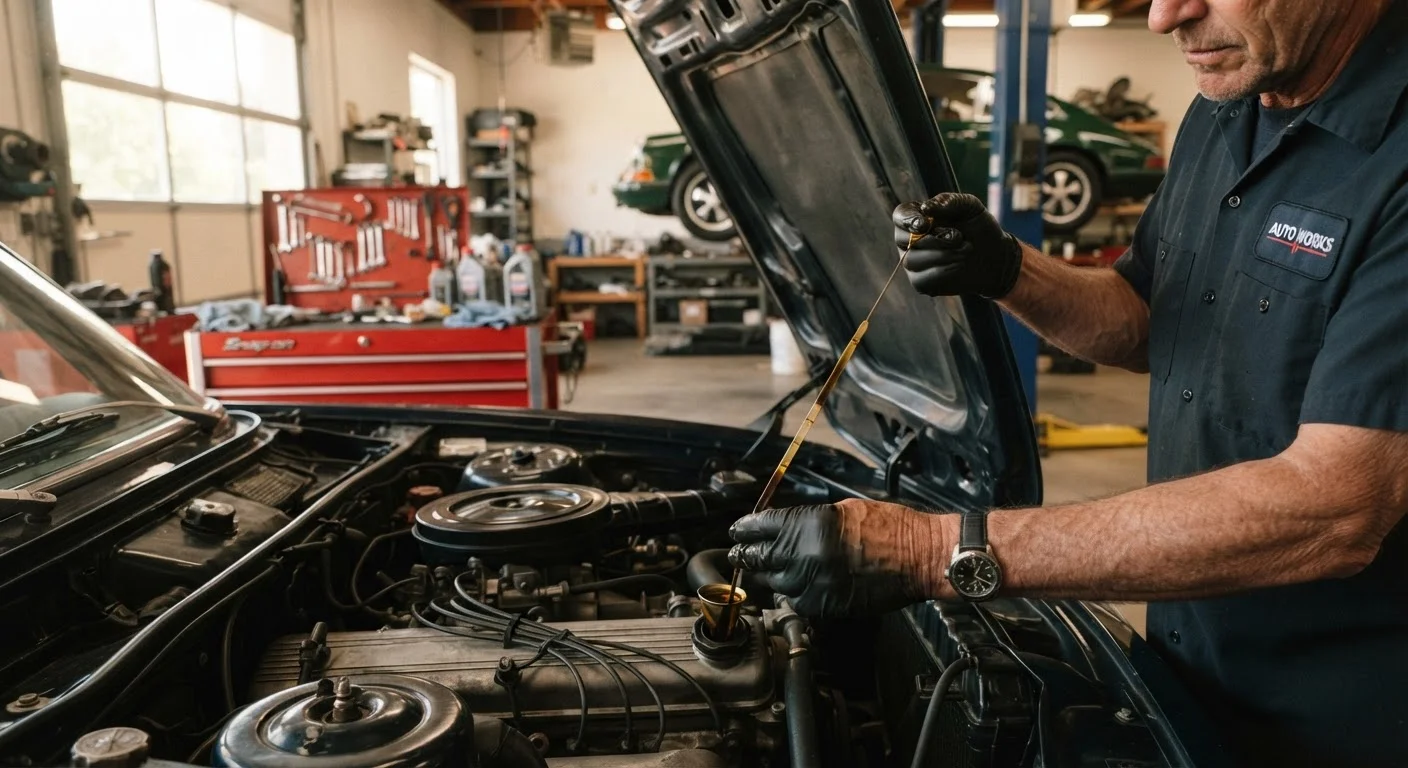
Oil and filter change: Engine oil lubricates moving parts and carries away heat and contaminants. Over time it breaks down and becomes less effective. Most modern vehicles with conventional oil call for changes every 5,000–7,500 miles; full synthetic oil can stretch to 10,000–15,000 miles or more, depending on the manufacturer's recommendation. Always follow your owner's manual rather than a generic rule. See the truth behind common car maintenance myths for why the old 3,000-mile standard no longer applies to most vehicles.
Tire rotation: Tires wear unevenly depending on whether they're on the drive axle. Rotating them — typically every 5,000–7,500 miles — evens out wear and extends their usable life. Many shops bundle this with an oil change.
Brake inspection: Brake pads wear down gradually. Most mechanics inspect brake thickness during tire rotations. Pads are generally replaced when they reach 2–3 mm of remaining material, though symptoms like squealing or a longer stopping distance warrant attention sooner. Brake service should always be handled by a qualified mechanic — this is not a DIY task for most drivers.
Air filter replacement: The engine air filter prevents debris from entering the engine. Most manufacturers recommend replacement every 15,000–30,000 miles. A clogged filter can reduce fuel efficiency and engine performance. For a comparison of tasks you can reasonably handle yourself versus those that require a shop, see DIY car maintenance tasks.
Fluids, Filters, and Less-Visible Services
Beyond oil and tires, several other systems require periodic attention. These services don't come with dashboard warnings as reliably, which makes them easier to overlook.
Coolant (antifreeze)
A fluid circulated through the engine to regulate temperature and prevent freezing or boiling. It also inhibits internal corrosion and should be replaced on a manufacturer-specified schedule.
Transmission fluid
The lubricating fluid inside an automatic or manual transmission that reduces heat and friction. Degraded fluid can contribute to rough shifting and long-term transmission damage.
Cabin air filter
A replaceable filter that cleans air entering the passenger compartment through the HVAC system. It traps dust, pollen, and other particles but does not affect engine performance.
Brake pad wear indicator
A small metal tab built into most brake pads that produces a squealing sound when pads wear thin. Hearing it consistently is a signal to have brakes inspected promptly.
Coolant flush: Coolant (antifreeze) regulates engine temperature and prevents corrosion inside the cooling system. It degrades over time and should be flushed and replaced on a schedule your owner's manual specifies — often every 30,000–50,000 miles or every few years.
Transmission fluid: Automatic transmissions generate substantial heat and rely on fluid to function smoothly. Replacement intervals vary widely by vehicle — some manufacturers list 30,000 miles, others 100,000 miles or more. Check your manual; don't assume it's a "lifetime fill" without verifying.
Cabin air filter: Separate from the engine air filter, this filters the air coming through your vents. It's easy to forget because it doesn't affect how the engine runs — only air quality inside the vehicle. Typical interval: every 15,000–25,000 miles. For more items that slip through the cracks, see maintenance tasks drivers overlook.
Wiper blades: Most manufacturers recommend replacing them every six to twelve months, or whenever streaking or skipping becomes noticeable. This is one of the few maintenance items most drivers can replace themselves without tools.
Battery: Car batteries typically last three to five years. Slow starts, dimming lights, or a battery warning light are signs to have it tested. Many auto parts stores test batteries at no charge.
Tracking all of this is easier with a maintenance log. What to keep in your car's maintenance log explains why a simple record protects both your vehicle and its resale value.
Why Intervals Matter — and What Skipping Costs
Maintenance schedules aren't arbitrary. Engineers set them based on real wear patterns and material limits. When a service is delayed, the component in question continues degrading — often accelerating wear on adjacent parts in the process.
Old Oil Does More Than Just Get Dirty
As engine oil ages, it loses the additives that protect metal surfaces from friction and heat. In extreme cases, neglected oil can form sludge — a thick, tar-like residue that restricts oil flow and stresses the engine. Catching this early is far cheaper than addressing the damage it causes.
A skipped oil change doesn't just mean dirty oil. Old oil loses viscosity and protective additives, allowing metal-on-metal contact inside the engine. Extended neglect can contribute to sludge buildup, which is expensive to address and can permanently shorten engine life.
The cost gap between routine maintenance and deferred-repair maintenance is significant. An oil change typically costs far less than engine or transmission repairs that neglect can accelerate. For a fuller look at the financial logic, see why skipping routine maintenance costs more than it saves.
Your owner's manual is the most reliable source for your specific vehicle's schedule. If you no longer have a physical copy, most manufacturers make digital versions available through their websites. Understanding your car's scheduled maintenance intervals walks through how to read those intervals and apply them correctly.
Pairing good maintenance habits with attentive driving also matters. Smart habits that extend the life of any vehicle covers practical behaviors — from tire pressure checks to smoother acceleration — that reduce wear between service visits.