

Key Takeaways
Sinking Fund
A sinking fund is money you set aside gradually — a little at a time — to cover a specific, planned future expense. Instead of scrambling when a big bill arrives, you've already saved for it in advance. Think of it as a self-created payment plan that you fund yourself, on your own schedule.
Unlike an emergency fund, which covers unpredictable costs, a sinking fund targets known or anticipated expenses with an approximate amount and date attached.
The Problem Sinking Funds Solve
Most budgets are built around monthly expenses — rent, utilities, groceries, subscriptions. That structure works fine until the annual car registration shows up, the holidays arrive, or the water heater finally gives out. These costs aren't surprises, exactly — you knew they were coming — but they weren't built into the month's spending plan.
The result is a budget that looks solid on paper until it doesn't. You end up raiding other categories, reaching for a credit card, or pulling from savings that were earmarked for something else. Sinking funds fix this by turning lumpy, irregular expenses into manageable monthly contributions. The money is already waiting when the bill arrives.
If you want a broader look at the vocabulary that surrounds this kind of budgeting, key budgeting terms for beginners explains the concepts you'll encounter most often.
~$1,400
Average holiday spending per U.S. household
According to Gallup polling, Americans report spending roughly this amount on holiday gifts annually — a predictable expense that sinking funds handle well.
$500–$600
Typical annual car maintenance cost
AAA estimates that routine maintenance costs for an average vehicle run several hundred dollars per year, making auto upkeep a prime sinking fund category.
36%
Americans who couldn't cover a $400 emergency
A Federal Reserve report found that more than a third of adults would struggle with an unexpected $400 expense — a gap that better irregular-expense planning can help close.
How to Set One Up
The math is simple. Identify the expense, estimate the total cost, and determine when you'll need the money. Divide the total by the number of months between now and that date — that's your monthly contribution.
For example: if your car insurance renews in six months and costs $720, you'd set aside $120 each month. When the bill comes, the money is sitting there.
A few practical steps to get started:
- Name your fund. Label it clearly — "Car Insurance," "Holiday Gifts," "Vet Bills." Vague buckets are easier to raid. Specific ones feel real.
- Open a dedicated account or sub-account. Keeping it separate from your daily spending reduces temptation. Many banks and credit unions let you create multiple savings accounts with custom names.
- Automate the transfer. Set a recurring transfer from your checking account on payday. Automating your savings removes the decision — and the willpower — from the equation entirely.
Review Your Sinking Funds Twice a Year
Costs change — insurance premiums go up, repair estimates shift, new predictable expenses appear. Set a calendar reminder every six months to review each fund: adjust the monthly amount if needed, add new categories, and close ones you've fully funded. Fifteen minutes of maintenance keeps your plan aligned with reality.
What Sinking Funds Work Best For
Any expense that is known, predictable in size, and not monthly is a good candidate. Common categories include:
- Annual or semi-annual insurance premiums
- Vehicle registration and routine maintenance
- Holiday and birthday gifts
- Home repairs and appliance replacement
- Vacations and travel
- Back-to-school costs
- Medical copays or dental work (if you anticipate them)
A windfall — like a tax refund or work bonus — can give your sinking funds a meaningful head start. If you come into extra money and aren't sure what to do with it, handling lump sum windfalls deliberately walks through how to put it to work. Once your sinking funds are in good shape, you may find you have bandwidth to think about longer-term goals covered under Saving & Debt more broadly.
A Simple Mental Shift That Changes Everything
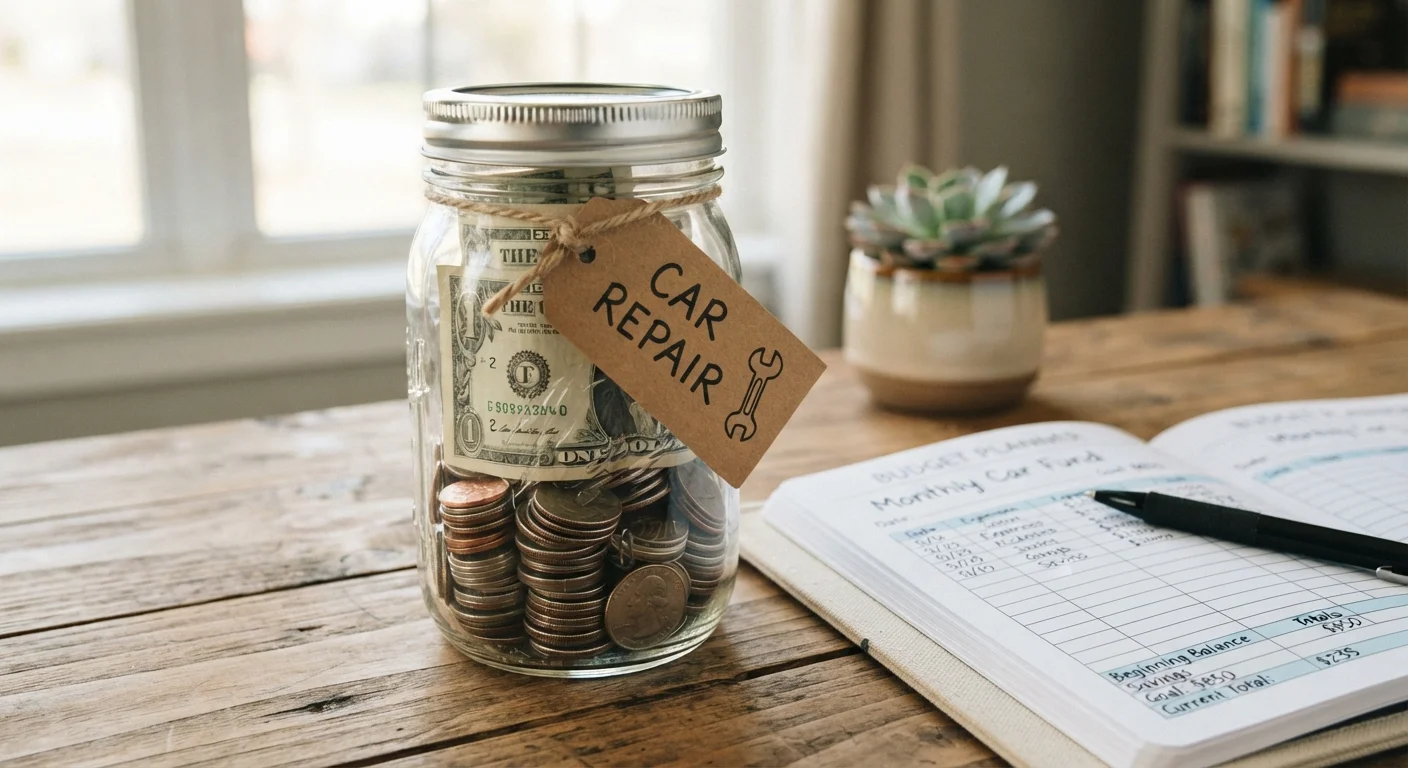
The biggest value of a sinking fund isn't financial — it's psychological. When you know that $80 is quietly accumulating each month toward your next car repair, that expense stops feeling like a threat. You stop dreading the bill. Budget confidence goes up, even though your income hasn't changed.
This is what it looks like to move from reactive to proactive budgeting. You're not waiting for life to happen to your money. You're planning around it in advance — and that's a durable habit with effects that compound over time.
This article is for general informational and educational purposes only and does not constitute personalized financial advice. Consider speaking with a qualified financial professional about decisions specific to your situation.