

Key Takeaways
Car Depreciation
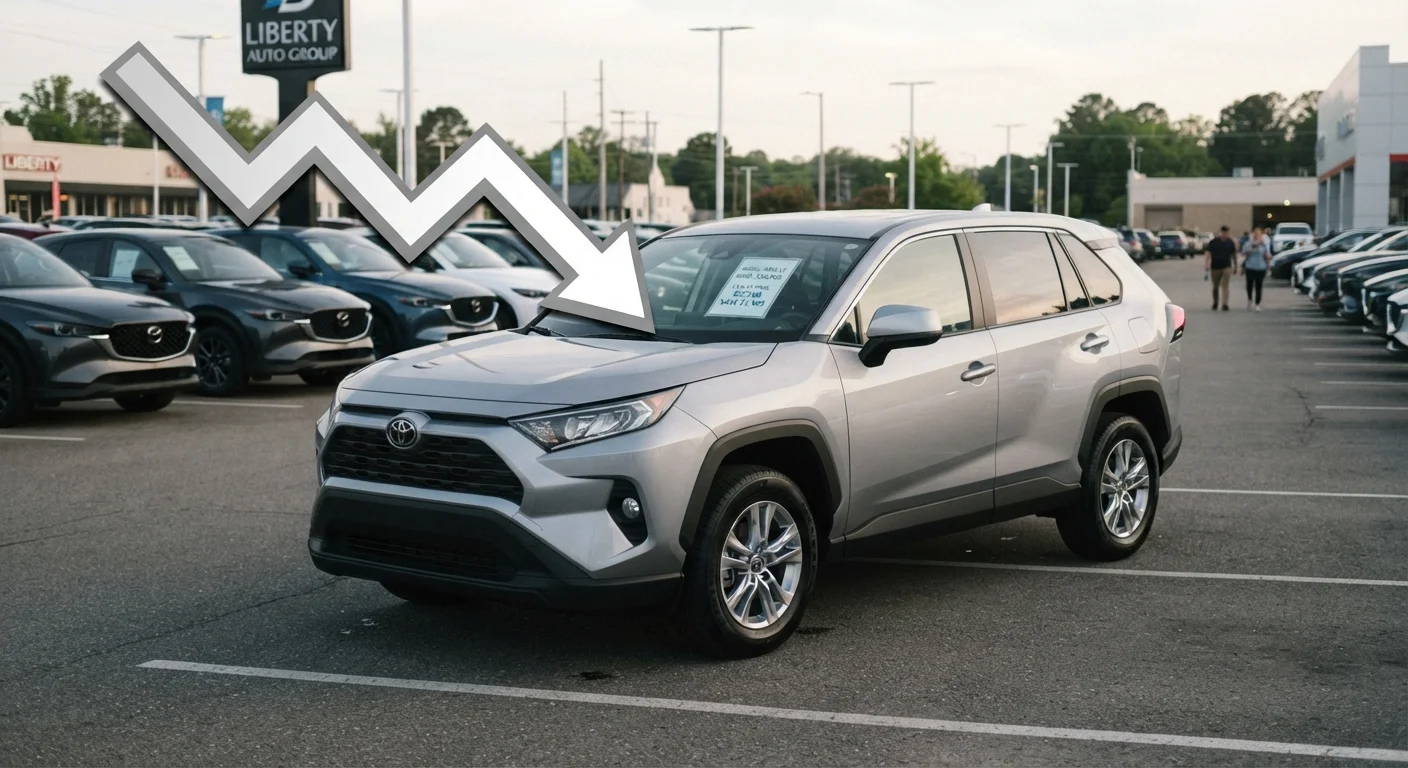
Car depreciation is the decline in a vehicle's market value over time. Every car loses value from the moment it's purchased — some faster than others. This loss is often the single largest cost of car ownership, yet it rarely appears as a line item on a purchase agreement.
Depreciation is typically calculated as the difference between a vehicle's purchase price and its current market or resale value. It affects loan-to-value ratios, insurance payouts, and tax deductions for business-use vehicles.
The Cost You Don't See on the Sticker
Most car buyers focus on the purchase price — the number on the window sticker or the monthly payment. But the biggest financial hit of vehicle ownership often isn't the price you pay going in. It's the value you lose while you own it.
Depreciation is the gap between what you paid for a vehicle and what it's worth when you sell or trade it. That gap can represent tens of thousands of dollars over a few years of ownership. For a new car, much of that loss occurs in the first 12 months. According to data tracked by automotive research organizations, many new vehicles lose roughly 20% of their value in the first year and close to 50% within five years — though exact figures vary by make, model, and market conditions.
Understanding depreciation doesn't require a finance degree. It just requires knowing where to look when you're thinking about the full cost of owning a car. See also: the full picture of car ownership costs.
~20%
Typical first-year value loss for a new car
Automotive research sources consistently show new vehicles lose a significant share of their value within the first 12 months of ownership.
~50%
Depreciation over five years for average new vehicles
Industry data from organizations like Edmunds and Kelley Blue Book suggests many cars retain roughly half their original value after five years, though this varies widely by model.
$10,000+
Potential depreciation loss in first three years
For a typical new vehicle in the $30,000–$35,000 range, the total value drop in the first three years can easily exceed five figures.
What Drives Depreciation — and What Slows It Down
Not all vehicles lose value at the same pace. Several factors determine whether a car holds its value relatively well or nose-dives quickly.
- Mileage: Higher mileage typically means lower resale value, all else being equal. Buyers and dealers use mileage as a quick proxy for wear and remaining lifespan.
- Condition: A well-maintained vehicle with clean service records commands more on the resale market than one with visible neglect, rust, or unresolved mechanical issues.
- Brand and model reputation: Vehicles with a track record of reliability tend to depreciate more slowly because demand stays strong in the used market.
- Fuel type and technology trends: Market shifts — like changing fuel prices or the growth of electric vehicles — can affect how certain powertrains are valued over time.
- Supply and demand: When a particular model is in short supply, resale prices can stay elevated longer. The reverse is also true.
Luxury vehicles can depreciate especially fast. A high sticker price doesn't mean high retained value — in fact, prestige vehicles often lose value more steeply because their repair costs and ownership expenses remain high even as the purchase price drops.
How Depreciation Should Shape Your Buying Decision
Once you understand depreciation as a real cost — not an abstract accounting concept — it changes how you evaluate a purchase.
Buying a vehicle that's two to three years old lets you sidestep the steepest part of the depreciation curve. The original buyer absorbs the largest initial loss, and you pick up the vehicle at a meaningfully lower price without necessarily sacrificing much in reliability or remaining lifespan. This is one of the strongest arguments for buying used, as explored in our new vs. used car comparison.
Leasing is another option that sidesteps ownership depreciation in a different way — you pay for the expected depreciation during your lease term rather than absorbing the full lifecycle loss. But leasing has its own financial dynamics. Buying vs. leasing involves real tradeoffs that depend on your driving habits and how long you plan to keep the vehicle.
If you do buy new, keeping the vehicle for many years is often the most effective way to spread the depreciation cost across a longer period of use. A car that loses $15,000 in value over five years costs you $3,000 per year in depreciation. Keep it for ten years, and that same loss averages out to $1,500 per year — even if total mechanical costs rise modestly. Long-term ownership can make strong financial sense when you plan ahead.
Depreciation and Your Loan: A Dangerous Gap
Depreciation becomes especially important when you're financing a vehicle. In the early months of a loan, you may owe more on the car than it's currently worth — a situation commonly called being "underwater" or having negative equity.
This matters most if your car is totaled in an accident or stolen. A standard auto insurance policy typically pays the vehicle's actual cash value at the time of loss, not what you paid or what you still owe. If you owe $28,000 on a car that's now worth $22,000, you'd be responsible for the $6,000 difference out of pocket unless you carry gap insurance.
This is one of the hidden costs that catch new car owners off guard — not the depreciation itself, but the financial exposure it creates when paired with a loan. Understanding this dynamic before you sign helps you make a more informed decision about loan terms, down payments, and whether gap coverage makes sense for your situation.
This article provides general financial information about vehicle depreciation for educational purposes. It is not personalized financial advice. For decisions specific to your situation, consider consulting a qualified financial professional.