

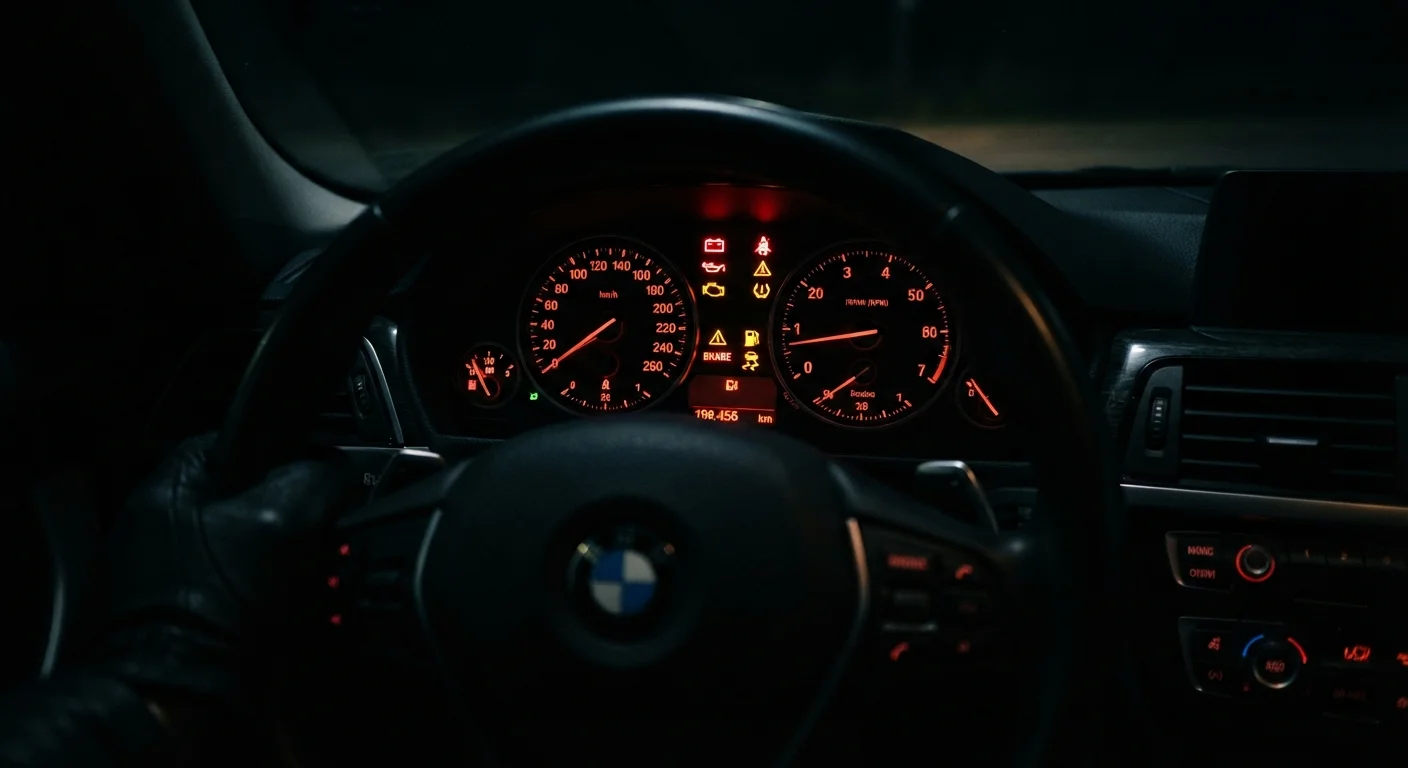
| Color coding | Red = urgent; Amber/Yellow = attention needed; Green/Blue = system active |
| Check Engine Light triggers | Over 1,400 possible diagnostic trouble codes |
| TPMS threshold | Activates when a tire is 25% or more below recommended pressure (U.S. NHTSA TPMS regulation) |
| Oil pressure warning | Stop driving within seconds to minutes — engine damage is nearly immediate |
| Required scan tool | OBD-II reader; free diagnostic scans available at many auto parts stores |
Why Warning Lights Exist — and Why They're Easy to Misread
Modern vehicles are equipped with onboard diagnostic systems that monitor dozens of components simultaneously. When something falls outside normal parameters, the system triggers a warning light on your instrument cluster. The problem is that most drivers either panic at every light or ignore them entirely — both responses can lead to trouble.
Understanding what each light actually signals, and how urgent it is, puts you in control. As part of the broader habits covered in our practical safe driving framework, knowing your dashboard is a foundational skill every driver should have.
| Color coding | Red = urgent; Amber/Yellow = attention needed; Green/Blue = system active |
| Check Engine Light triggers | Over 1,400 possible diagnostic trouble codes |
| TPMS threshold | Activates when a tire is 25% or more below recommended pressure (U.S. NHTSA TPMS regulation) |
| Oil pressure warning | Stop driving within seconds to minutes — engine damage is nearly immediate |
| Required scan tool | OBD-II reader; free diagnostic scans available at many auto parts stores |
The Warning Lights You're Most Likely to See
Dashboard lights fall into two broad categories: red lights, which typically require immediate attention, and amber or yellow lights, which usually indicate a developing issue that needs attention soon but may not require stopping right now.
Red Lights — Act Quickly
- Oil Pressure Warning: A red oil can symbol means oil pressure has dropped dangerously low. Pull over safely as soon as possible and turn off the engine. Running an engine without adequate oil pressure can cause severe, irreversible damage within minutes.
- Engine Temperature (Overheating): A thermometer submerged in liquid indicates the engine is overheating. Turn off the A/C, pull over, and let the engine cool before opening the hood. Never remove a radiator cap on a hot engine.
- Battery Warning: A red battery symbol means the charging system has failed. Your car is running on battery reserve alone. Turn off non-essential electrical accessories and head directly to a mechanic — you may have 30 minutes or less before the vehicle stalls.
- Brake System Warning: If this light appears while driving (not just when the parking brake is engaged), it can indicate low brake fluid or a hydraulic failure. Test brakes cautiously and seek service immediately. For more on brake health, see our guide on recognizing brake wear early.
Amber Lights — Schedule Attention Soon
- Check Engine (MIL): The malfunction indicator lamp covers a wide range of issues, from a loose gas cap to misfiring cylinders. A steady light usually means schedule a diagnostic scan; a flashing light means reduce speed and seek service promptly to avoid catalytic converter damage.
- Tire Pressure (TPMS): A horseshoe symbol with an exclamation point means one or more tires is significantly under-inflated. Check pressures when tires are cold and inflate to the spec listed on your door jamb sticker — not the number on the tire sidewall.
- Traction Control / Stability Control: A brief flash during slippery conditions is normal. A steady light may mean the system is disabled or a sensor has failed — worth investigating if it doesn't clear.
- Low Fuel: Most vehicles have 30–50 miles of range remaining when this light activates, though that varies. Don't rely on it as a routine buffer.
OBD-II
On-Board Diagnostics II — the standardized system used in vehicles sold in the U.S. since 1996 that monitors engine and emissions performance. A scan tool plugged into the OBD-II port reads stored fault codes.
Malfunction Indicator Lamp (MIL)
The official term for the check engine light. It signals that the vehicle's computer has detected a fault and stored a diagnostic trouble code.
TPMS
Tire Pressure Monitoring System — a federally mandated sensor system that alerts the driver when tire pressure drops significantly below the recommended level.
Charging System
The combination of the alternator, battery, and related wiring that keeps a vehicle's electrical system powered while the engine runs. A failure means the battery is not being recharged.
When to Pull Over vs. When to Keep Driving
A useful rule of thumb: red lights mean stop soon, amber lights mean schedule service. But context matters. If your check engine light comes on steady during a long highway trip and the car is driving normally, finishing your journey and booking a diagnostic appointment within a few days is generally reasonable. If the oil pressure light flickers, getting off the road immediately is non-negotiable.
Pay attention to combinations — multiple lights appearing together, or any warning light paired with unusual sounds, smells, or handling changes, escalates urgency significantly. If your car feels or smells different than normal, trust that instinct and pull over regardless of which light is showing.
Understanding these signals is part of being a safer driver overall. The complete overview of safe driving in America covers how vehicle awareness fits into the broader picture of road safety.
Get a Free Code Read Before Assuming the Worst
If your check engine light is on and the car is running normally, many auto parts retailers offer free OBD-II code scans. This gives you a starting point — a specific trouble code — before you visit a mechanic. Knowing the code helps you have a more informed conversation about what repairs may be needed and why.