

Key Takeaways
Summary
24 items · 10–20 minutes to review; apply as needed before and during each drive
Why Road Conditions Demand Active Adjustment
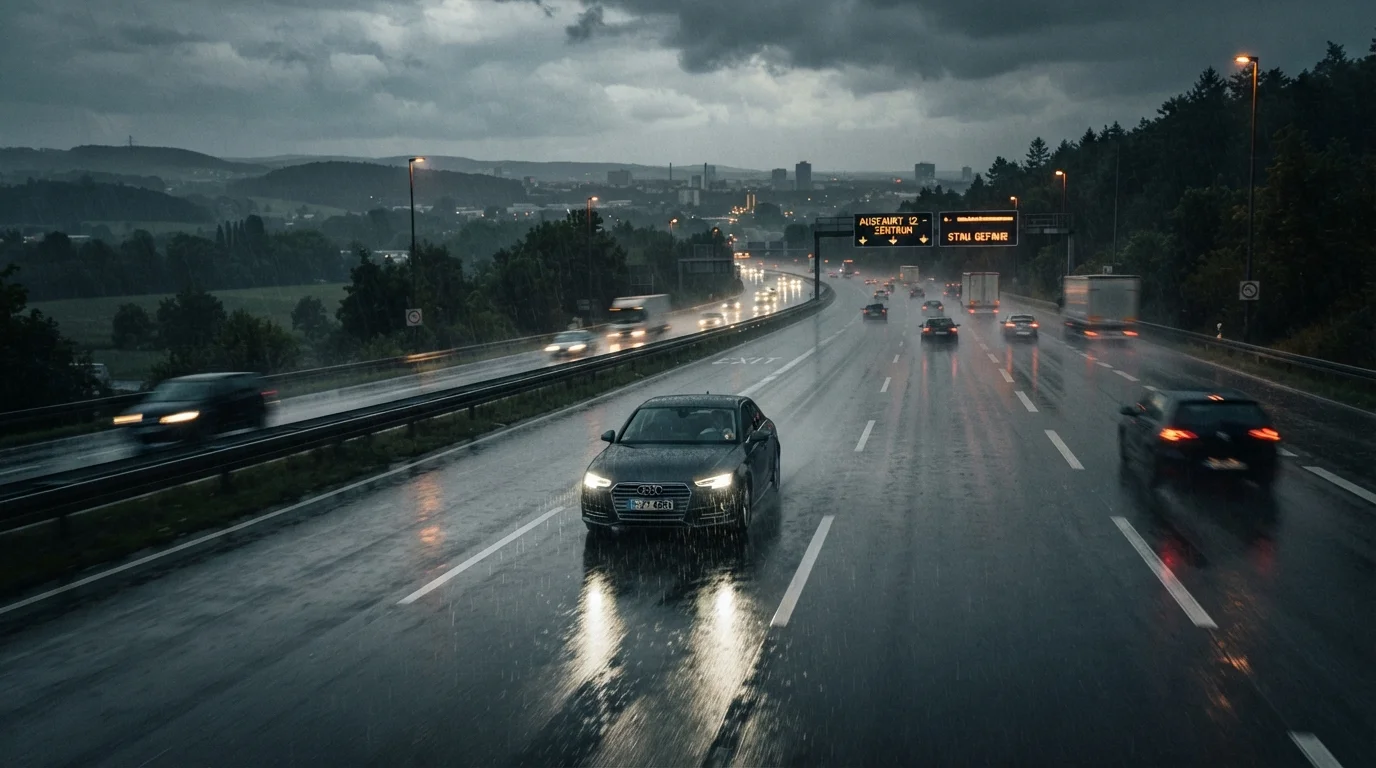
Most drivers know that rain, fog, ice, and extreme heat make roads more dangerous. Far fewer consistently change their behavior to match. According to the U.S. Department of Transportation's Federal Highway Administration, nearly 21% of vehicle crashes each year are weather-related — roughly 1.2 million crashes annually. The vast majority happen on wet pavement or during rainfall, not in blizzards.
That tells us something important: the everyday conditions — a rainy Tuesday commute, a foggy morning on the interstate — are where most weather-related risk lives. Adjusting your driving doesn't require special skills or equipment. It requires awareness, discipline, and a handful of consistent habits.
This checklist breaks those habits into four condition-specific groups so you can quickly reference what applies to the weather you're actually facing. For a broader look at daily driving safety, see our practical framework for safer everyday driving.
Rain and Wet Roads
Fog
Ice and Snow
Extreme Heat and Summer Conditions
What to Check Before You Leave Home
Some of the most important adjustments happen before you start the engine. Your vehicle's condition directly affects how it handles in adverse weather. Worn wiper blades, under-inflated tires, or fogged-up windows create hazards before road conditions even enter the picture.
Tire pressure gauge
Verify tire inflation before rain, winter, or summer drives — critical for grip and blowout prevention.
Ice scraper and snow brush
Clear ice and snow from all vehicle surfaces before driving in winter conditions.
Windshield washer fluid (all-season or winter formula)
Maintain clear visibility in rain, slush, and summer grime buildup.
Vehicle emergency kit
Include a blanket, jumper cables, flashlight, and basic first aid supplies for roadside situations in any season.
Traction aid (sand, kitty litter, or traction boards)
Provide grip if the vehicle becomes stuck on ice or snow.
Make a habit of doing a quick walk-around whenever the forecast calls for anything other than clear, dry weather. Check that your lights function, your washer fluid reservoir is full, and your tires look properly inflated. In winter, clear all snow and ice from your entire vehicle — not just the windshield — so debris doesn't fly off and endanger other drivers. These small pre-drive steps are part of the consistent habits that extend your vehicle's life and keep it road-ready.
When Conditions Are Severe, Not Driving Is a Valid Choice
No checklist can make certain conditions safe. Black ice, near-zero visibility fog, or a combination of heavy snow and high winds may make the safest decision simply staying off the road. If your local transportation department or emergency management office issues a travel advisory or ban, take it seriously. No appointment or errand is worth the risk of a serious crash.
A Note on Speed and Following Distance
Two variables matter more than almost anything else in adverse conditions: your speed and the gap between you and the vehicle ahead. Both interact directly with how much time and space you have to react and stop.
The standard rule of thumb for dry roads is a three-second following gap. In rain, extend that to at least six seconds. On snow or ice, many safety experts recommend eight to ten seconds or more — especially at highway speeds. Stopping distances on ice can be up to ten times longer than on dry pavement, depending on temperature and surface texture.
Speed reduction matters even when roads look passable. Hydroplaning — where a thin film of water lifts tires off the road surface — can begin at speeds as low as 35 mph on worn tires. Fog eliminates the visual cues that help your brain judge speed and distance accurately, making posted limits potentially too fast for actual visibility. For more on how environmental factors affect driver perception, our guide to night driving risks covers many of the same principles.
Don't Trust 4WD to Shorten Stopping Distance
Four-wheel drive and all-wheel drive systems improve a vehicle's ability to accelerate on slippery surfaces — they do not reduce stopping distance. Drivers of SUVs and trucks with 4WD sometimes follow too closely or drive too fast in snow and ice because they feel their vehicle handles well. Braking physics apply equally to all vehicles: maintaining extra following distance is essential regardless of drivetrain.